Calling All Veterans! Annual Veteran's Day Complete exam and xrays. Vet Exam
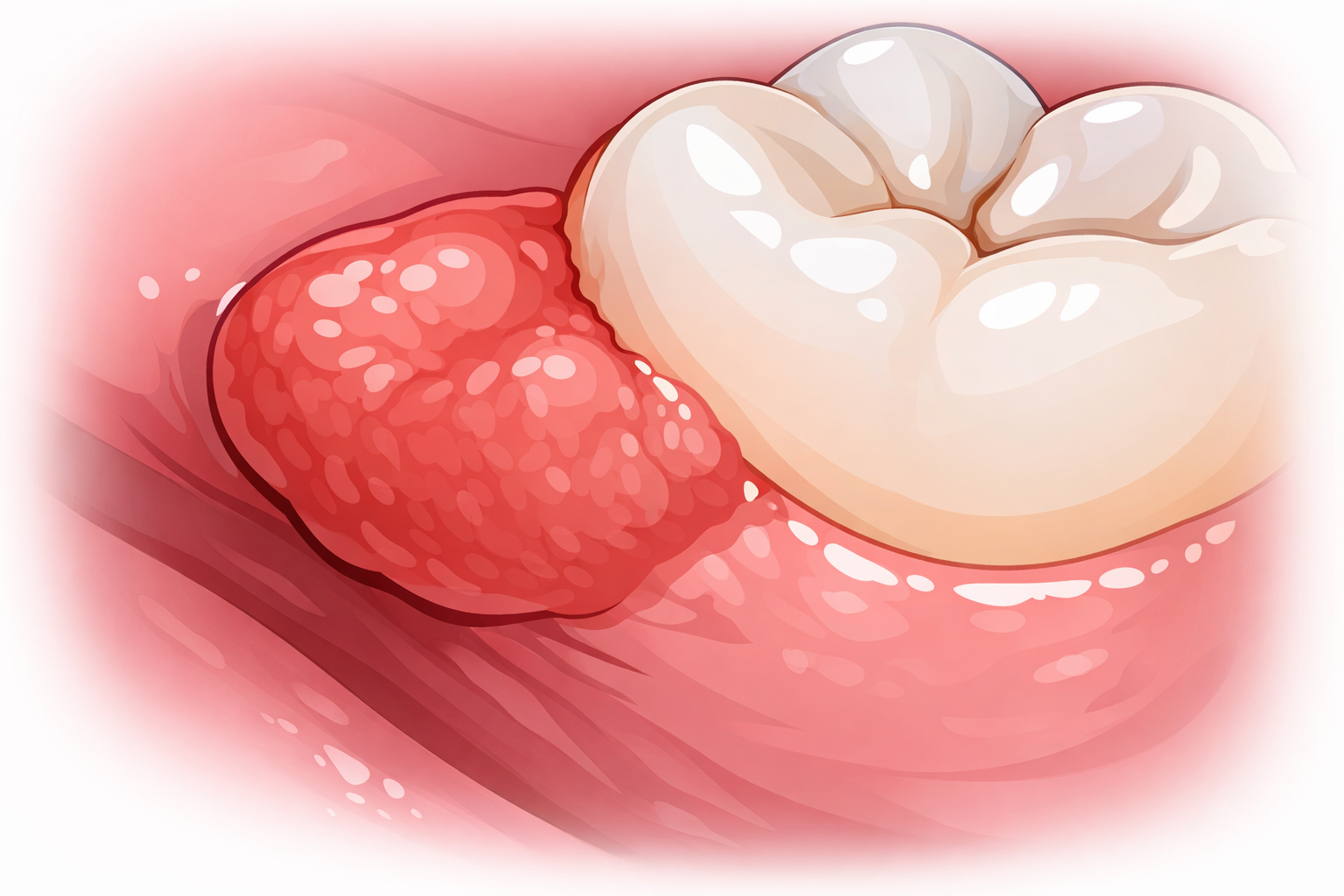
Comprehensive oral cancer screenings using biopsy referral play an important role in protecting long term health. At Brady Dental Group in Amarillo, Texas, these screenings are handled with care, clarity, and a strong focus on patient education. A biopsy referral is never suggested casually. It is a thoughtful step used only when more information is needed to fully understand changes in the mouth.
Many patients feel nervous when they hear the word biopsy. That reaction is understandable. In most cases, a biopsy referral is recommended as a precaution, not because something serious has been diagnosed. This careful approach helps ensure that nothing is overlooked and that patients receive clear answers as early as possible.
Comprehensive oral cancer screenings include several layers of evaluation. Dentists begin with a visual examination to look for changes in color, texture, or shape. Palpation screening is also used to feel tissues beneath the surface. These steps work together to create a clear picture of oral health.
When an area looks or feels unusual, and it does not resolve over time, a biopsy referral may be recommended. This referral allows a specialist to examine the tissue more closely. The purpose is accuracy and certainty. Most findings turn out to be harmless, but confirming this early provides peace of mind.
Some oral conditions can look very similar during an exam. A sore, patch, or lump may be caused by irritation, infection, or another benign condition. In some cases, however, those same signs can indicate something more serious. A biopsy referral helps remove uncertainty.
Dentists rely on experience, training, and careful observation to guide this decision. When a change does not heal as expected or shows features that raise concern, referral becomes the responsible next step. This approach protects patient health and supports early detection.
When a biopsy referral is recommended, the dentist explains what was observed and why further evaluation is helpful. Patients are encouraged to ask questions and express concerns. Clear communication is a priority and helps reduce anxiety.
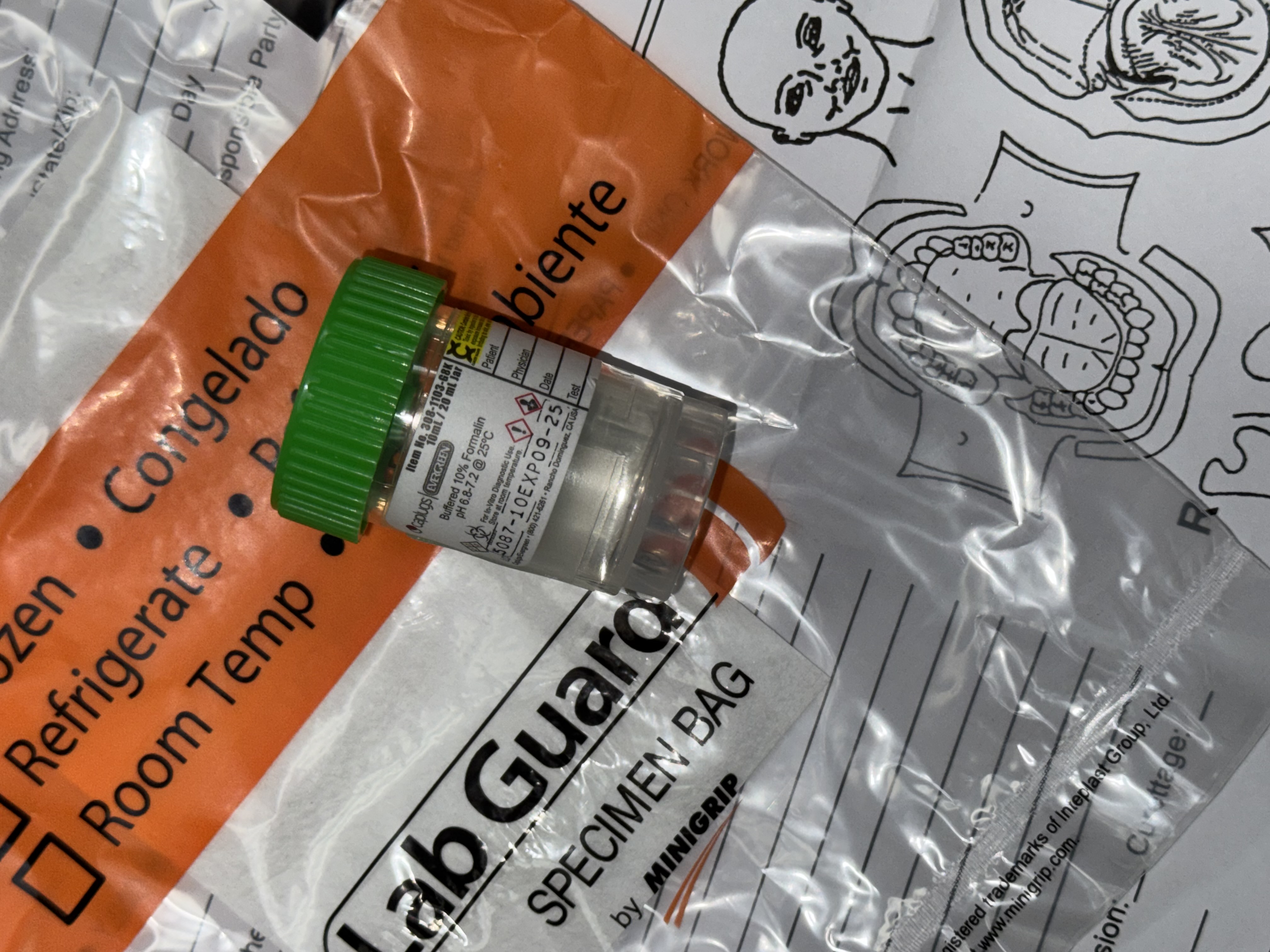
The referral is typically made to an oral surgeon or qualified specialist. That provider performs the biopsy and sends the results to both the patient and the dental office. Brady Dental Group remains involved throughout the process to help patients understand results and plan next steps.
A biopsy usually involves removing a small sample of tissue for examination. The procedure is commonly quick and performed with local anesthesia. Most patients report little discomfort during or after the process.
After the biopsy, the tissue is sent to a laboratory for analysis. Results are often available within a short period. Waiting can feel stressful, but patients are given guidance on what to expect and how results will be communicated. Support continues throughout this waiting period.
In many cases, biopsy results confirm that no serious condition is present. Patients often feel relieved knowing the area was evaluated thoroughly. This reassurance is one of the most important benefits of comprehensive oral cancer screenings using biopsy referral.
Even when results are normal, the process builds trust. Patients know their dental team takes concerns seriously and does not dismiss changes. That confidence often carries into future visits and encourages ongoing preventive care.
If biopsy results indicate a condition that requires treatment or monitoring, early detection helps guide the next steps. Dentists explain findings clearly and help coordinate care with specialists when needed. Patients are not left to interpret results on their own.
Early identification often leads to better outcomes. Treatment options may be more effective and less complex when issues are addressed early. This proactive approach reflects a high standard of care and patient advocacy.
A patient once visited Brady Dental Group for a routine dental exam and reported no discomfort. During the screening, the dentist noticed a small patch that had not changed over time. While it did not cause pain, it did not appear typical.
As a precaution, a biopsy referral was recommended. The results showed a benign condition that required no treatment. The patient later shared appreciation for the careful attention and clear explanations throughout the process. The experience reinforced the value of thorough screening.
Hearing about a biopsy referral can bring up fear or uncertainty. Dentists at Brady Dental Group understand this and take time to explain the purpose of the referral. Patients are reminded that referral does not equal diagnosis.
Compassion and clarity play a major role in easing concerns. Many patients say that understanding why a referral is suggested makes the process feel manageable. Emotional support is treated as an essential part of care.
Preventive dentistry focuses on early awareness and timely action. Comprehensive oral cancer screenings using biopsy referral align naturally with this approach. They help identify concerns before they progress.
Dentists act early not to alarm patients, but to protect health. This mindset reflects modern dental care. Small steps taken today can prevent more serious challenges later.
Oral cancer can affect people from many backgrounds. Tobacco and alcohol use increase risk, but they are not the only factors. Age, genetics, immune health, and other influences can also contribute.
Because risk is not always obvious, dentists rely on observation rather than assumptions. Every patient receives the same careful screening. Biopsy referral is based on findings, not lifestyle alone.
Not every concern requires immediate referral. In some cases, an area is monitored over time. If a change persists or evolves, a biopsy referral may then be recommended.
This watchful approach balances caution with care. Patients often appreciate knowing their dentist is paying close attention without rushing decisions. Monitoring helps establish a reliable baseline for future comparison.
Comprehensive oral cancer screenings using biopsy referral demonstrate that dental care goes beyond teeth alone. The mouth is closely connected to overall health. Changes in oral tissues can reflect broader health concerns.
Dentists take this responsibility seriously. Screening is not about creating fear. It is about awareness, protection, and informed decision making.
At Brady Dental Group in Amarillo, Texas, biopsy referrals are handled with compassion and respect. The dental team understands both the clinical and emotional sides of screening. Communication and support remain consistent from start to finish.
By combining careful screening, timely referral, and ongoing guidance, the practice helps protect long term health. Patients can move forward knowing their care is thoughtful, thorough, and centered on their well being.


