Calling All Veterans! Annual Veteran's Day Complete exam and xrays. Vet Exam
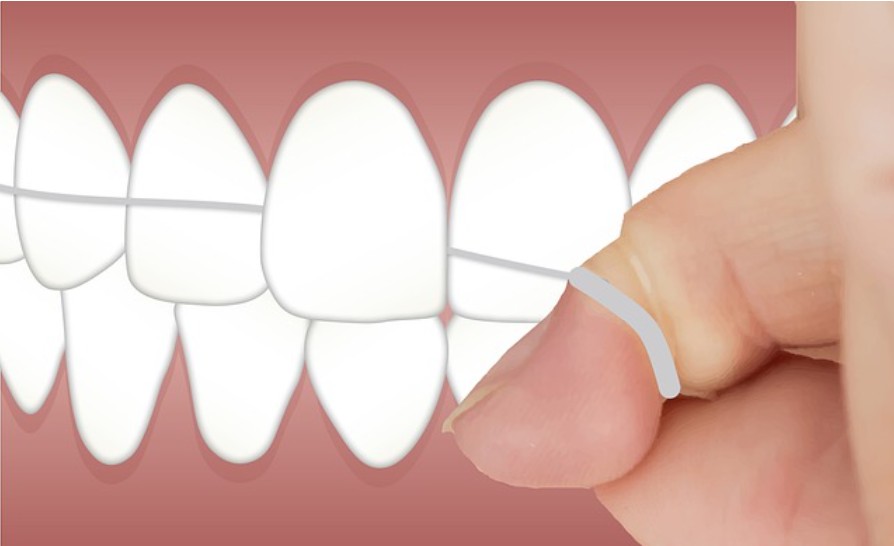
Preventative dentistry and floss work together to protect your smile every day. Brushing often gets the spotlight, but floss does the deeper work that keeps gums healthy and teeth strong. When daily floss habits are paired with regular dental visits, small problems are stopped before they grow. This combination is simple, affordable, and powerful.
Many people skip floss because it feels uncomfortable or seems unnecessary. Others believe brushing alone is enough. Dentists see the effects of skipped flossing every day. The encouraging truth is that adding floss to a routine can lead to noticeable improvement in a short amount of time.
Preventative dentistry focuses on stopping problems before pain or damage occurs. Professional cleanings remove plaque that hardens into tartar, something brushing cannot fully handle. Routine dental exams allow dentists to catch early signs of cavities, gum inflammation, and wear.
Dentists also look beyond the teeth. They check the gums, jaw movement, and signs of grinding or clenching. Catching these issues early helps prevent discomfort later. Regular visits protect both oral health and overall wellness.
Another benefit of preventative dentistry is comfort. When visits are routine, they become quick and familiar. Instead of stressful repairs, appointments feel more like checkups. Confidence grows when surprises become rare.
Floss reaches areas a toothbrush cannot. Food particles and bacteria often hide between teeth and just under the gumline. These spaces are where cavities and gum disease commonly begin.
Using floss daily removes this hidden buildup. It lowers inflammation, reduces bacteria, and helps gums heal. Over time, gums become firmer and healthier, and breath improves.
Many people stop flossing when they see bleeding. In reality, bleeding often means the gums are inflamed and need gentle flossing to heal. With consistency, bleeding usually fades as the gums recover.
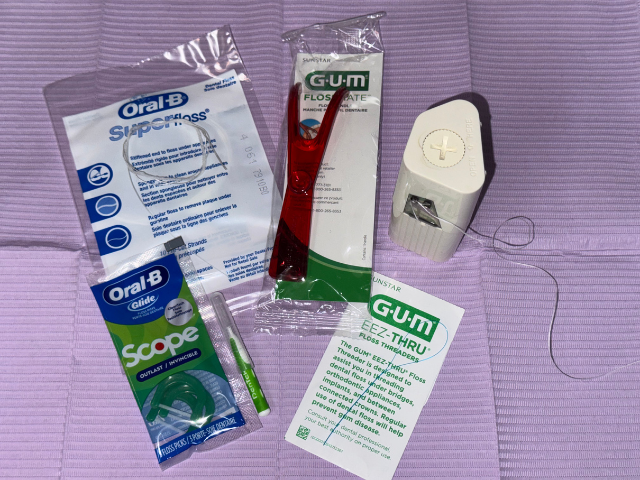
Dentists do more than remind patients to floss. They show proper technique and recommend floss tools that fit each person’s needs. Some prefer traditional string floss. Others find floss picks or water flossers easier to use.
The best floss is the one that gets used daily. Preventative dentistry helps remove guesswork by offering guidance based on each patient’s mouth.
Dental teams also track progress. They can tell if floss habits are working by checking gum color, firmness, and pocket depth. Seeing improvement often motivates patients to stay consistent.
One common myth is that flossing is optional. It is not. Brushing cleans tooth surfaces. Floss cleans the spaces between them.
Another myth is that floss spreads bacteria. In truth, floss removes bacteria that brushing leaves behind.
Some believe mouthwash can replace floss. Rinses can freshen breath, but they cannot physically remove debris. Floss is still essential.
Dental visits reveal more than cavities. Dentists look for signs of gum disease, infection, and muscle strain. Preventative dentistry also checks how the jaw functions. Grinding or clenching often shows up as wear on teeth.
Cleanings polish enamel and remove surface stains. Many patients leave the office feeling lighter and refreshed after a visit.
Gum health affects the whole body. When gums bleed, bacteria can enter the bloodstream. Over time, this can contribute to inflammation elsewhere.
Preventative dentistry and daily floss help lower this risk. Healthy gums support heart health and help with blood sugar control. Some patients notice better energy or fewer aches after improving gum care.
The key to flossing is routine. Pair it with something you already do. Floss while watching television or right before brushing at night.
Flossing does not need to take long. One to two minutes is enough to clean between teeth effectively.
Fear of doing it wrong stops many people. Dentists and hygienists can demonstrate proper technique in seconds. A quick lesson can make flossing easier and more comfortable.
Most people benefit from dental visits every six months. Some may need more frequent care based on gum health or risk factors.
After gum treatment, shorter follow-up visits may support healing. Once things stabilize, many return to a regular schedule.
Skipping visits allows small issues to grow. Staying consistent keeps care simpler and more affordable.
People who floss daily and keep regular dental visits often spend less on dental care over time. Preventing cavities and gum disease costs far less than treating advanced problems.
Clean teeth last longer. Fillings, crowns, and dental work stay stronger in a healthy mouth.
Confidence also improves. Many people smile more freely once their gums feel better and their mouth feels clean.
It does not matter when you last flossed. The next time is what matters.
Preventative dentistry and floss give you control over your oral health. One daily habit and routine checkups can change the future of your smile.
Pick up the floss tonight. Schedule a dental visit soon. Let your smile stay healthy for life.
Brady Dental Group of Amarillo is ready to help you build better habits and protect your smile.


