Calling All Veterans! Annual Veteran's Day Complete exam and xrays. Vet Exam
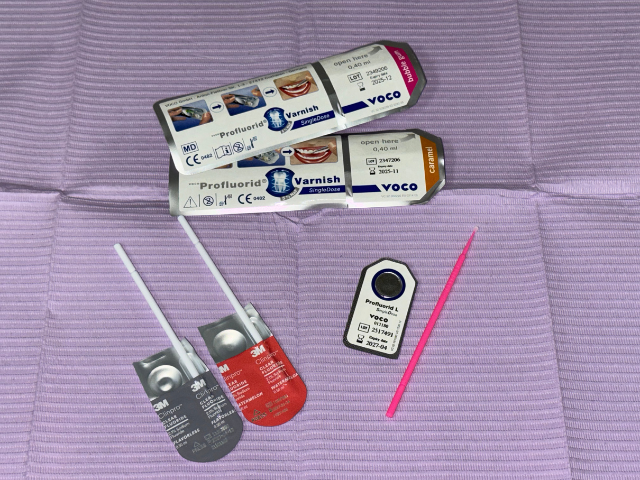
Preventative dentistry and fluoride treatment work together to protect teeth and keep smiles healthy. One focuses on finding small problems early, while the other strengthens teeth so those problems are less likely to start. When combined, they create a strong defense against cavities for both children and adults.
Many people recognize fluoride from childhood but are unsure how it helps today. Some see it offered during dental visits and wonder if it really matters. The truth is that fluoride treatment plays an important role in protecting enamel and preventing decay, especially when used alongside regular dental care.
Preventative dentistry is about staying ahead of dental issues. During routine visits, dentists look for early signs of decay and gum irritation before pain appears. Professional cleanings remove plaque that brushing cannot fully eliminate. Exams reveal changes in enamel and gum health that are easy to miss at home.
These visits also help improve daily habits. Many people brush too hard, rush through flossing, or miss certain areas. A dentist or hygienist can correct these habits quickly and help patients clean more effectively.
Routine care also brings peace of mind. Knowing that your mouth is healthy reduces stress and helps dental visits feel easier. When appointments are for prevention instead of emergencies, comfort and confidence grow.
One patient shared that she avoided dental care for years. A mild toothache finally led her to schedule a visit. During her exam, the dentist found early decay that had not yet caused serious damage. With preventative care and fluoride treatment, the tooth was protected without drilling. That experience changed how she viewed dental care and encouraged her to stay consistent.
Fluoride treatment strengthens tooth enamel. Enamel is the outer layer that protects teeth, but acids from food and drinks can weaken it over time. Fluoride helps rebuild weakened enamel and makes teeth more resistant to acid attacks.
When fluoride is applied, it bonds with the enamel and helps stop small areas of damage from turning into cavities. It can also slow the progression of existing weak spots.
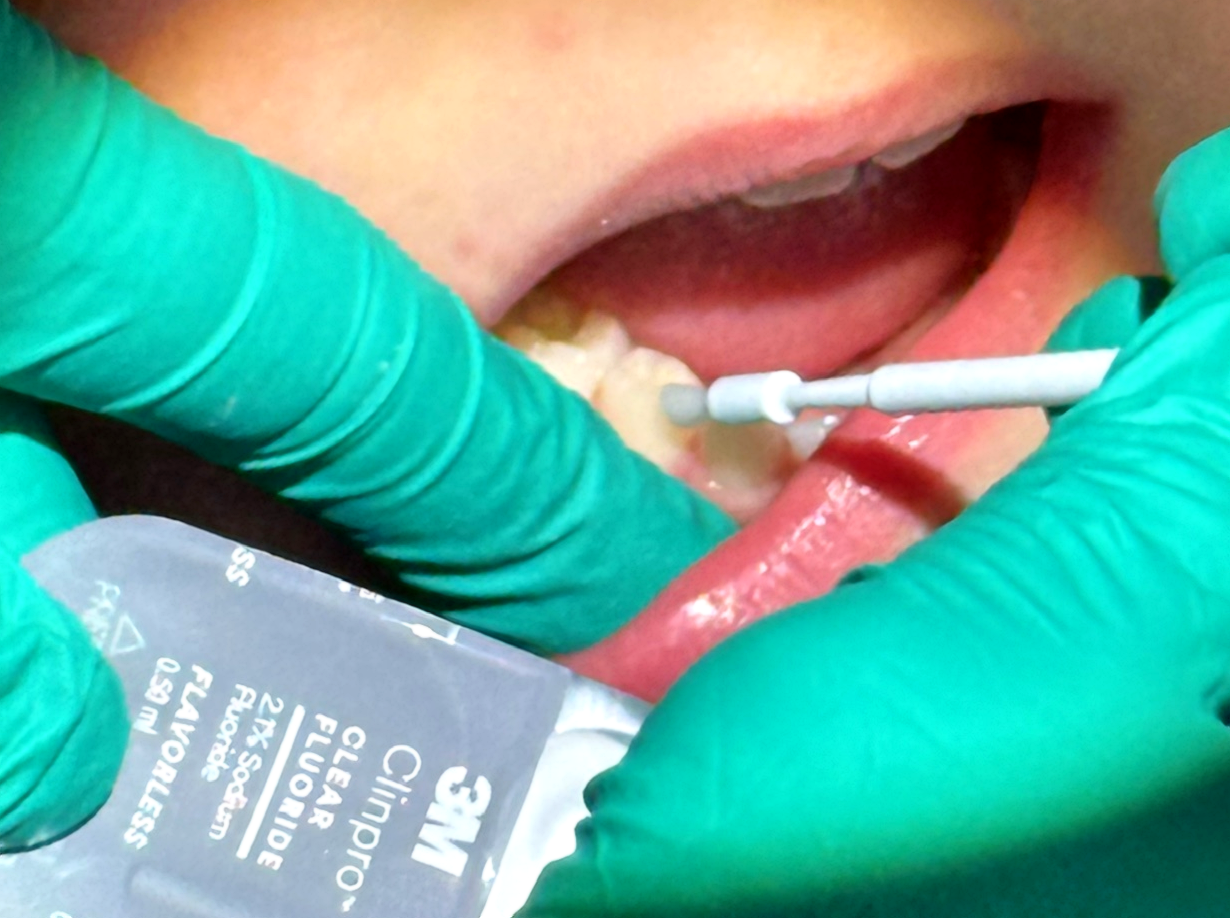
Most dental offices apply fluoride after a cleaning. The treatment may come as a gel, foam, or liquid. The process takes only a few minutes and has a mild taste.
Patients often describe fluoride treatment as quick and easy. One patient joked that it felt like tasting candy for a moment. Dentists usually recommend avoiding food or drinks for a short time afterward so the fluoride can fully absorb.
Children benefit from fluoride because their teeth are still developing. It helps strengthen new enamel as teeth grow in. Adults also benefit, especially those with sensitive teeth or a higher risk of cavities.
Dry mouth increases the chance of decay, and fluoride helps protect teeth in these cases. People with braces or dental work may also benefit because cleaning around brackets and restorations can be challenging.
Anyone who regularly drinks sugary or acidic beverages may need extra protection. Fluoride helps reduce the damage caused by these habits.
One patient who drank soda throughout the day learned that his enamel was wearing down. His dentist recommended fluoride at each visit along with small diet changes. Within months, sensitivity improved and new damage slowed.
Preventative dentistry identifies risks early. Fluoride treatment strengthens teeth to fight those risks. Together, they create a plan for long-term oral health.
Cleanings prepare the teeth by removing buildup. Fluoride then reinforces enamel. Exams track progress and guide future care. Over time, patients experience fewer surprises and less need for major treatment.
Dentists may also recommend fluoride products for home use, such as toothpaste or rinses with higher fluoride levels. These recommendations are based on individual needs.
Some people worry about fluoride safety. When used as directed, fluoride is safe and effective. Dentists carefully control the amount applied during treatment.
Others ask if fluoride is necessary when teeth look fine. Fluoride works best before damage begins, making it valuable even when teeth appear healthy.
Some believe adults do not need fluoride. Adults face risks like gum recession and dry mouth, which make fluoride just as important later in life.
Oral health supports overall wellness. Gum disease has been linked to heart health concerns and blood sugar challenges. Preventative dentistry keeps gums healthy, while fluoride helps prevent decay that can lead to infection.
One patient noticed improved blood sugar control after improving oral care. Their dentist and doctor agreed that a healthier mouth supported overall health.
It does not matter when your last dental visit was. The best time to start is now.
Preventative dentistry and fluoride treatment offer a simple path to stronger teeth and lasting protection. One visit and one easy step can make a meaningful difference.
Contact Brady Dental Group of Amarillo today and ask about fluoride treatment at your next appointment.


