Calling All Veterans! Annual Veteran's Day Complete exam and xrays. Vet Exam
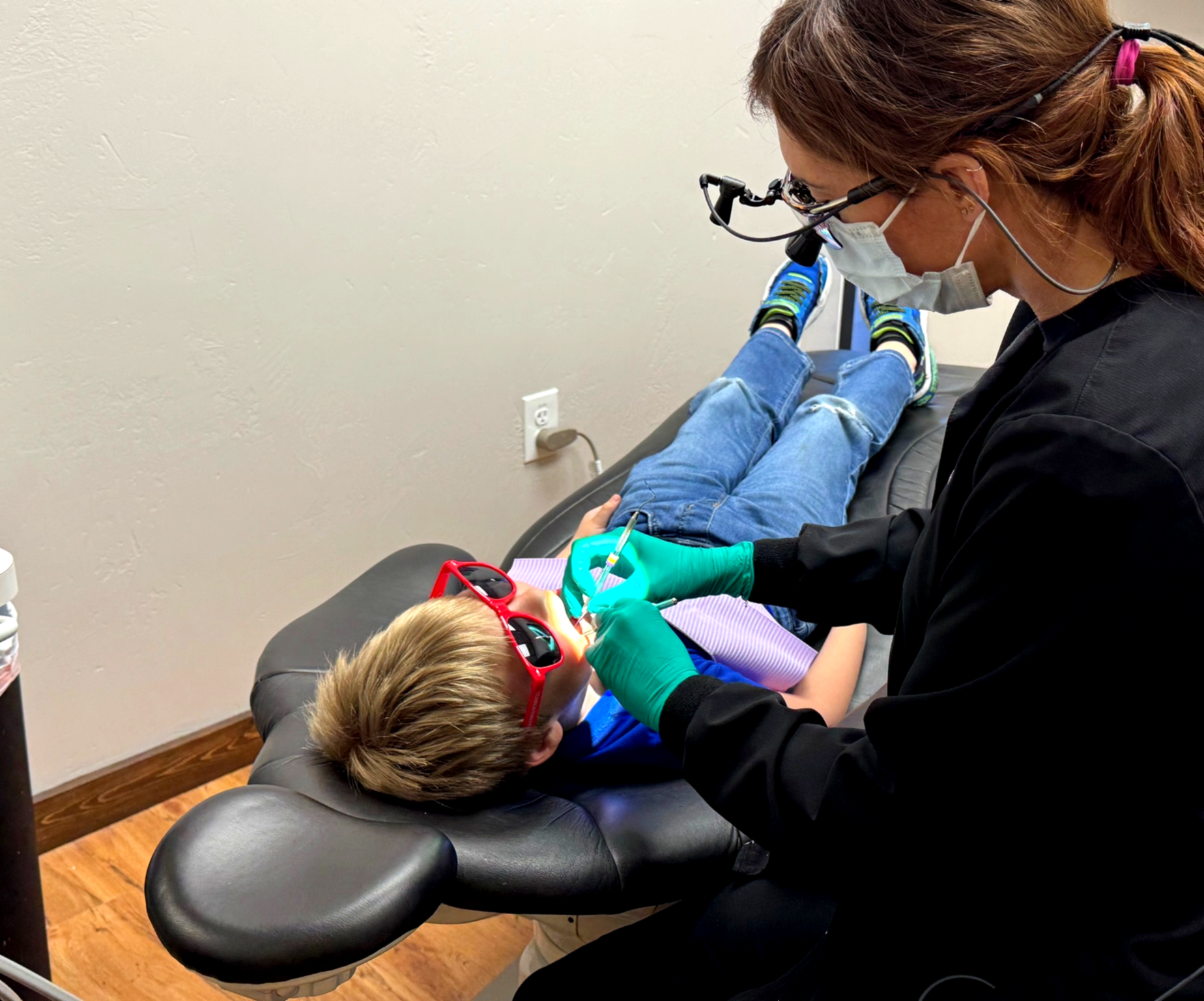
Preventative dentistry and pediatric teeth cleaning play a quiet but powerful role in a child’s health. These early visits help protect growing smiles while teaching children that dental care is safe, gentle, and even positive. When kids start early, they build habits that follow them into adulthood and help prevent problems before they ever begin.
Many parents wonder when dental visits should start. Most dentists recommend scheduling the first visit when the first tooth appears or by a child’s first birthday. That early appointment is usually short and calm. It helps children become familiar with the dental office and allows parents to ask questions about brushing, feeding, and development. Starting early sets a healthy tone for years to come.
Preventative dentistry focuses on stopping dental problems before they grow. For children, this means protecting teeth from cavities, watching how the jaws develop, and guiding good habits early. Dentists also keep an eye out for crowding, bite concerns, and enamel weakness. Catching these signs early often leads to simpler and more comfortable solutions.
Routine visits help children feel comfortable in the dental chair. When kids know what to expect, fear decreases. Many adults who feel relaxed at the dentist trace that comfort back to positive childhood experiences. Preventative care builds familiarity and trust over time.
Early care also saves families time and money. Treating small concerns early can prevent more involved procedures later. Parents often notice fewer emergencies, and children experience less discomfort overall.
Pediatric teeth cleaning removes plaque and tartar that brushing at home cannot fully reach. Even children who brush well can miss areas along the gumline or between teeth. Professional cleanings help keep gums healthy and teeth strong while lowering the risk of cavities.
Children’s diets often include sticky snacks or sugary drinks, which increase cavity risk. Pediatric cleanings help protect enamel and support long-term oral health. These visits are gentle and tailored for smaller mouths, with techniques designed to keep children comfortable.
Cleanings also include education. Younger children learn how long to brush and how to hold a toothbrush. Older kids learn better flossing techniques. Teens may receive guidance on sports mouthguards or wisdom teeth monitoring.
A pediatric cleaning usually begins with a friendly greeting and a brief conversation. The hygienist counts teeth, checks gums, and explains each step in simple language. Teeth are gently polished, leaving them smooth and shiny.
After the cleaning, the dentist reviews the mouth. Parents receive clear feedback if something needs attention or reassurance if everything looks healthy. Many children leave with a small reward and a sense of pride in caring for their teeth.
Preventative dentistry works best when paired with good habits at home. Brushing twice a day and flossing once a day are essential. Drinking water and eating crunchy fruits and vegetables can also help clean teeth naturally.
Parents play a key role. Children often copy what they see. When brushing becomes a shared routine, kids are more likely to stay consistent. Turning oral care into a family habit makes it easier and more enjoyable.
One family shared that playing a favorite two-minute song during brushing made a big difference. The kids brushed until the song ended and looked forward to it each night. Small changes like this can create lasting habits.
Preventative dentistry allows dentists to spot early warning signs. White spots may signal enamel weakness. Red or swollen gums can point to inflammation. Crooked growth patterns may suggest future bite issues.
When these signs are caught early, treatment is often simple. This may include fluoride treatments, sealants, or brushing adjustments. These small steps can protect teeth and guide healthy development.
Sealants are thin protective coatings placed on the chewing surfaces of back teeth. They help block food and bacteria from getting trapped in grooves. Fluoride strengthens enamel and helps teeth resist acids.
Both treatments are quick, painless, and effective. They act as extra protection while children’s teeth are still developing.
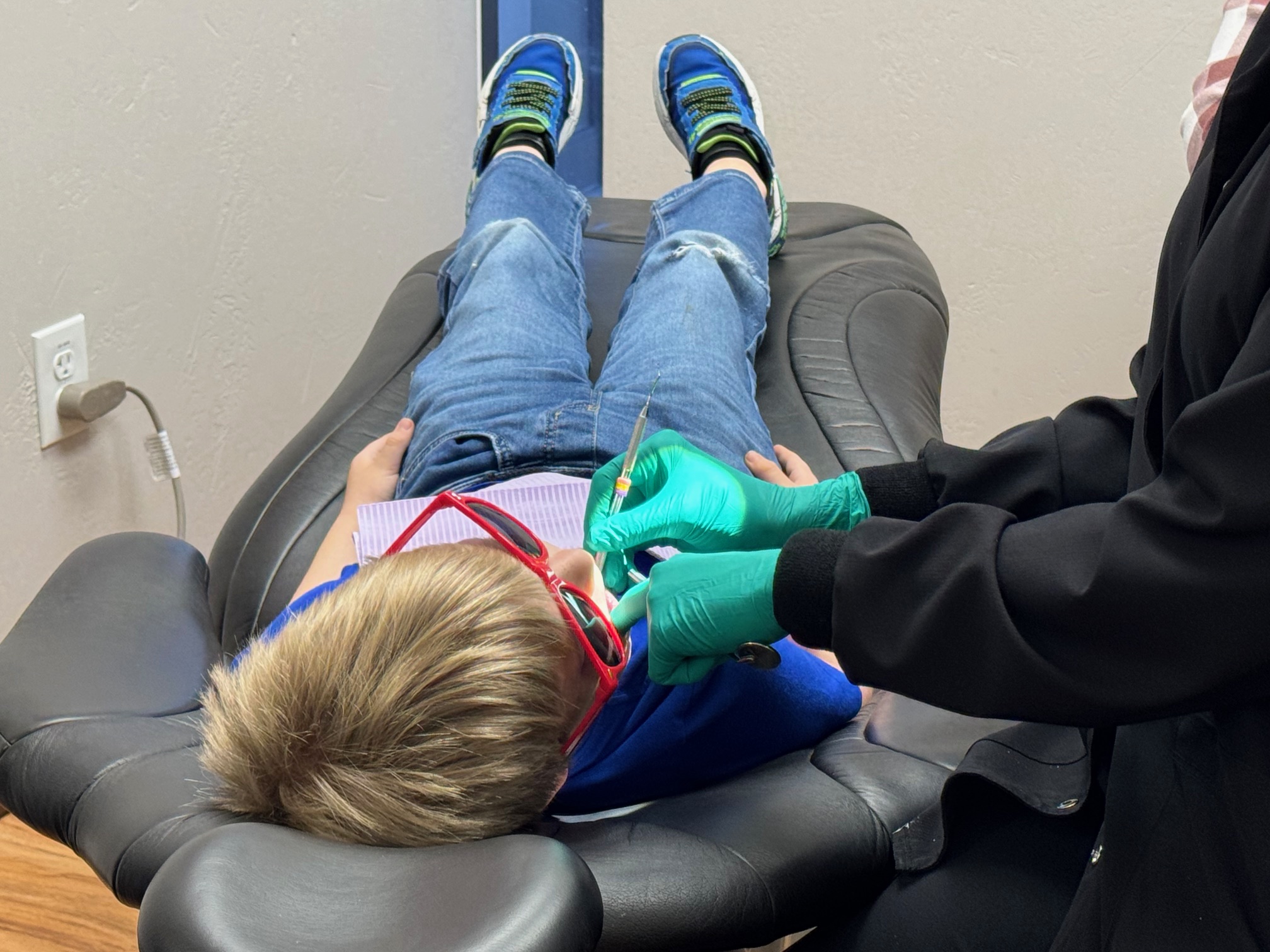
Children who trust their dentist are more likely to speak up if something feels uncomfortable. That trust leads to better care and quicker solutions. Pediatric dental teams focus on clear explanations, patience, and encouragement.
One child asked if a cleaning would hurt. The hygienist compared it to washing a bike before riding it. The child relaxed, laughed, and finished the visit with confidence. Simple explanations can change fear into understanding.
What children eat affects their teeth. Sugary snacks feed bacteria, while water helps rinse the mouth. Dairy products and balanced meals support strong enamel.
Families do not need to avoid treats entirely. Balance matters most. Offering water after sweets and keeping treats with meals can help reduce risk.
Preventative dentistry works best when parents and dentists work together. Parents observe daily habits, while dentists see inside the mouth. Together, they create a plan that fits each child’s needs.
Dental visits can also reveal signs beyond teeth. Mouth breathing, grinding, or speech concerns may be noticed during exams. These insights help families address issues early.
Most children benefit from dental visits every six months. Some may need more frequent care depending on risk. Consistency is key. Regular visits keep smiles healthy and help prevent problems from growing unnoticed.
Preventative dentistry and pediatric teeth cleaning give children a strong foundation. They reduce discomfort, support confidence, and encourage lifelong habits. Early care is not about fixing problems. It is about protecting what children already have.
If you have ever wondered whether it is too early to schedule a visit, it is not. A simple appointment today can support healthy smiles for years to come.


