Calling All Veterans! Annual Veteran's Day Complete exam and xrays. Vet Exam
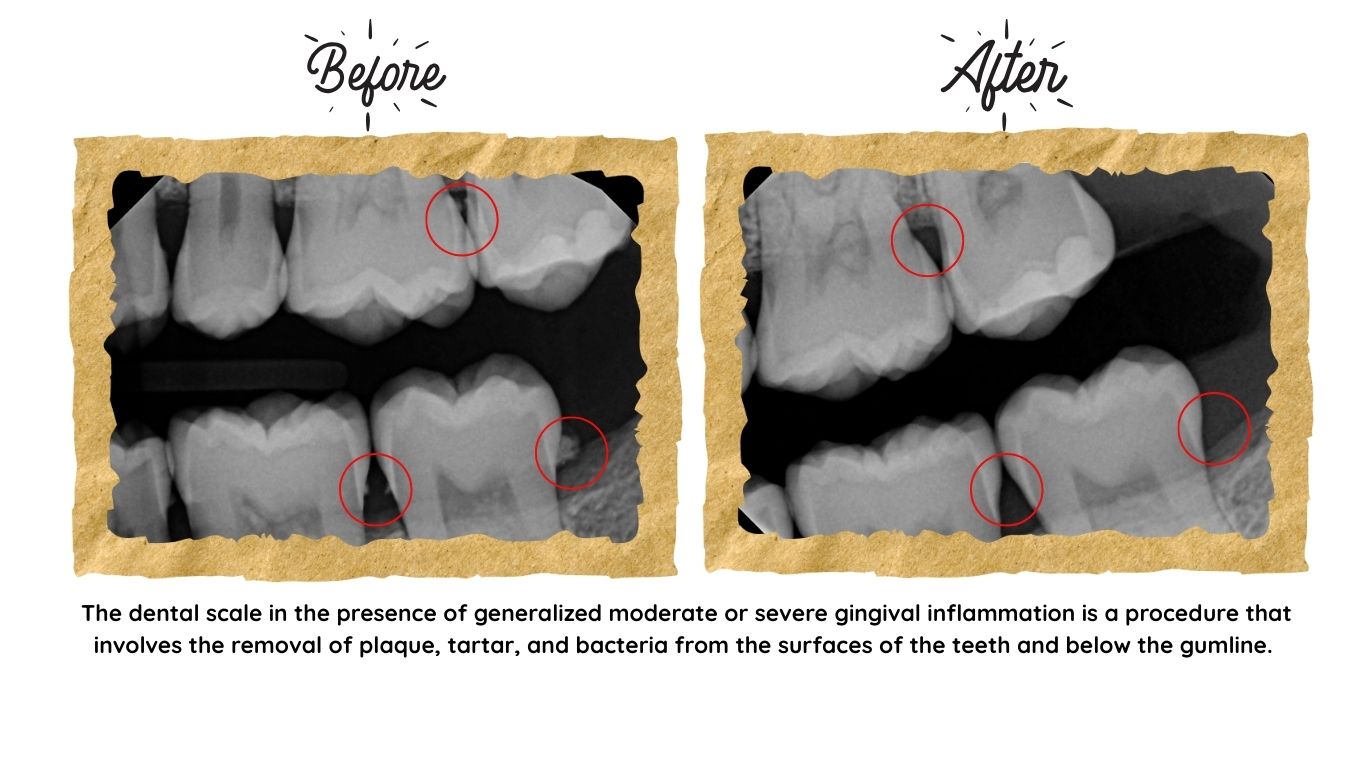
Preventative dentistry and Scale in the Presence may sound complex, but the purpose is simple. This approach focuses on cleaning teeth even when gums are sore, inflamed, or bleeding. Many adults delay dental visits because their gums hurt or feel sensitive. Unfortunately, waiting often allows the problem to grow. In most cases, gentle and timely cleaning is the first step toward healing.
People often assume pain means something should be avoided. In dentistry, discomfort can be a signal that care is needed. Scale in the Presence refers to the careful removal of plaque and tartar while inflammation is already present. The goal is to calm the gums, reduce bacteria, and stop the cycle that allows infection to continue. Preventative dentistry then helps keep the gums stable moving forward.
Scale in the Presence is not about aggressive treatment. It is about timing and precision. When gums are inflamed, bacteria collect along the teeth and beneath the gumline. That buildup feeds swelling, bleeding, and tenderness. Removing it gives the body a chance to begin healing on its own.
During the procedure, a hygienist uses small instruments and water to gently lift away hardened plaque and tartar. Many patients worry the process will be painful. Most are surprised to find that pressure often decreases as the cleaning continues. As infected areas are cleared, the gums begin to relax.
Preventative dentistry becomes important immediately after scaling. Follow-up visits, home care routines, and professional guidance help keep inflammation from returning. This approach is not about one appointment. It is about building a plan that supports long-term gum health.
One patient shared that she avoided dental care for years because her gums bled whenever she brushed. When she finally scheduled an appointment, the hygienist explained Scale in the Presence in simple terms. The cleaning was done in short sections, with frequent check-ins for comfort. Within two weeks, bleeding slowed. After a month, it nearly stopped. She said it felt like she had control over her smile again.
Gum disease often begins quietly. Mild redness can turn into bleeding, swelling, and tenderness. If left untreated, inflammation can affect the bone that holds teeth in place. Preventative dentistry helps stop this progression before lasting damage occurs.
Scale in the Presence removes buildup that the body cannot fight alone. In many cases, thorough cleaning is the primary treatment. Medication is not always necessary when the source of irritation is removed.
Inflammation in the mouth can also affect overall health. Research has linked gum disease to heart health concerns and blood sugar control. A clean mouth supports a healthier body.
Bleeding during brushing may be common, but it is not normal. Persistent bad breath, gum tenderness, or gums pulling away from teeth are all signs that deserve attention. These signals mean it is time to seek care.
Treatment begins with an exam. The dentist or hygienist measures the spaces between the gums and teeth and looks for signs of inflammation. X-rays may be used to check bone levels.
Scale in the Presence is often performed in sections to keep patients comfortable. Some offices offer numbing gels or local anesthetic when needed. The focus is on care that fits the individual, not rushing the process.
After cleaning, the dentist reviews the findings and explains the next steps. This may include follow-up visits, changes to home care, or special rinses to support healing.
Most patients feel pressure rather than pain. If discomfort arises, the dental team adjusts right away. Modern dentistry prioritizes comfort and communication. The goal is a calm, steady experience.
The initial cleaning acts as a reset. Preventative dentistry is the follow-through. It includes visits scheduled based on individual risk, tools designed for sensitive gums, and guidance that fits daily life.
At home, brushing twice a day with a soft toothbrush is essential. Flossing removes bacteria from areas brushing cannot reach. Rinsing with water after meals helps wash away acids and sugars.
Diet also plays a role. Reducing sugar limits bacterial growth. Drinking more water helps keep the mouth clean and balanced.
One patient shared that he began rinsing with water after coffee or soda. He did not change everything at once. That single habit reduced staining and dryness. At his next visit, his gums looked calmer and healthier.
Many adults feel embarrassed about gum bleeding or missed dental visits. Dental teams understand this is common. Their role is to support healing, not to judge.
Sharing concerns during the first visit can ease anxiety. When patients feel heard, tension drops and care becomes easier.
One patient described a difficult childhood dental experience. The hygienist moved slowly and explained each step. By the end of the visit, the patient felt relieved and asked when to return. Trust turned a stressful appointment into a hopeful one.
After Scale in the Presence, follow-up visits may be scheduled sooner at first. Once gums improve, many patients return to a regular schedule. Over time, gums can become pink and firm again. Bleeding fades, breath improves, and teeth feel smooth.
Preventative dentistry also protects existing dental work. Clean gums help crowns and fillings last longer, reducing the need for replacements.
There is no perfect time to begin. There is only today. If your gums bleed, act now. If breath concerns you, act now. If it has been years since your last visit, act now.
Scale in the Presence and preventative dentistry offer a clear path forward. First, remove what harms. Then, protect what heals.
A single visit to Brady Dental Group of Amarillo can start the change. Schedule the appointment, take the seat, and allow your mouth to reset. Healthier gums begin with one simple step.


